Passion: The First Ingredient in the ‘DNA of Success’
By Robert Knakal October 26, 2026 10:07 am
reprints
Over the past several weeks, I have had the privilege of delivering keynote speeches to audiences of commercial real estate professionals and business leaders about a subject I have spent more than four decades studying, both consciously and unconsciously: What makes people successful?
My presentation, titled “The DNA of Success,” focuses on five characteristics that I believe are fundamental to achieving extraordinary results: passion, discipline, curiosity, expertise and becoming. These five characteristics are interconnected, and each plays a critical role in determining how far we can go, what we can accomplish, and, perhaps most importantly, who we become along the way.
But there is a reason passion comes first. Passion is the fuel that powers everything else. Without it, discipline becomes drudgery, curiosity becomes an occasional distraction, expertise becomes difficult to develop, and the process of becoming the best version of ourselves loses much of its momentum. Passion is where the journey begins.
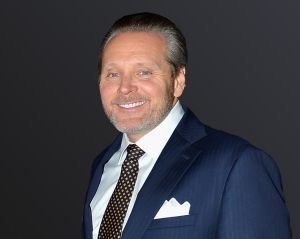
I have been selling investment properties in New York City since July 16, 1984. More than 42 years later, I still wake up every morning excited about what the day might bring. I love this business today every bit as much as I did when I started, and, in many respects, I love it even more. That doesn’t mean every day has been wonderful. I have experienced recessions, financial crises, market collapses, business disappointments, personal setbacks and more rejection than most people could imagine.
But, through all of those experiences, my enthusiasm for the business has never diminished. In fact, some of the most challenging periods of my career have reinforced just how fortunate I am to have found something I genuinely love doing. When you are passionate about your work, obstacles don’t necessarily become easier, but your willingness to confront them becomes significantly greater.
One of the central messages I share in my keynote is that passion changes your relationship with effort. Think about two people performing exactly the same job. One views the work as an obligation, something that must be endured to collect a paycheck. The other views it as an opportunity, something that provides intellectual stimulation, personal satisfaction and the possibility of continuous improvement. Both might work eight hours, but they are not experiencing the same eight hours.
The passionate person is thinking about the business while commuting, exercising, reading or having dinner. Not because someone is demanding it, but because the subject genuinely fascinates them. That additional engagement compounds over time. One extra question, one additional conversation, one more hour of preparation, repeated thousands of times over decades, creates an enormous competitive advantage. Passion makes that investment of time feel less like a sacrifice and more like a privilege.
There is another dimension of passion that I believe is frequently overlooked: It is contagious. Throughout my career, I have had the extraordinary opportunity to train and mentor hundreds of professionals, many of whom have gone on to build remarkable careers and businesses of their own. I have learned that people respond to genuine enthusiasm. When a leader is visibly excited about the mission, the opportunities, the challenges and the possibilities, that energy spreads throughout an organization.
Conversely, it is difficult to inspire others if you are not inspired yourself. Passion creates an environment where people want to participate, contribute, learn and improve. It also creates conviction. Clients can sense when someone truly believes in what they are doing.
That conviction cannot be manufactured through a marketing brochure, rehearsed sales pitch, or carefully constructed personal brand. It comes from authentic engagement with the work.
Passion, however, should not be confused with excitement. Excitement is temporary. It is easy to feel enthusiastic when markets are booming, transactions are closing, commissions are flowing, and everything seems to be going your way.
Real passion reveals itself when circumstances are exactly the opposite. It is what keeps you making calls when nobody answers, studying a market when transaction activity has evaporated, and developing your skills when immediate rewards seem unlikely.
Passion does not eliminate the need for discipline. It makes sustained discipline possible. And there is an important distinction between being passionate about winning and being passionate about the work required to win. If you love only the recognition, compensation or applause, your motivation will fluctuate with your results. If you love the process itself, you have a much more durable foundation for success.
As I have reflected on the response to my recent keynote speeches, I have become increasingly convinced that the “DNA of Success” is about much more than professional achievement.
Passion may begin with a career, a craft or a particular ambition, but its greatest contribution may be the way it encourages us to grow. It pushes us toward discipline, stimulates curiosity, drives the pursuit of expertise, and ultimately contributes to the person we are becoming.
After more than four decades in this business, I still have an enormous amount to learn, and that realization excites me. My encouragement to anyone beginning a career, reconsidering a direction or seeking another level of achievement is simple: Find something that genuinely captures your imagination, something you would want to understand more deeply even if nobody were watching.
Then commit yourself to it completely. Success is never guaranteed, but passion dramatically improves the probability that you will stay in the game long enough, work hard enough, and learn enough to accomplish something meaningful.
Passion is not the entire “DNA of Success.” But it is the spark that brings the other four characteristics to life.
Robert Knakal is founder, chairman and CEO of BK Real Estate Advisors. This is the first column in a five-part series.