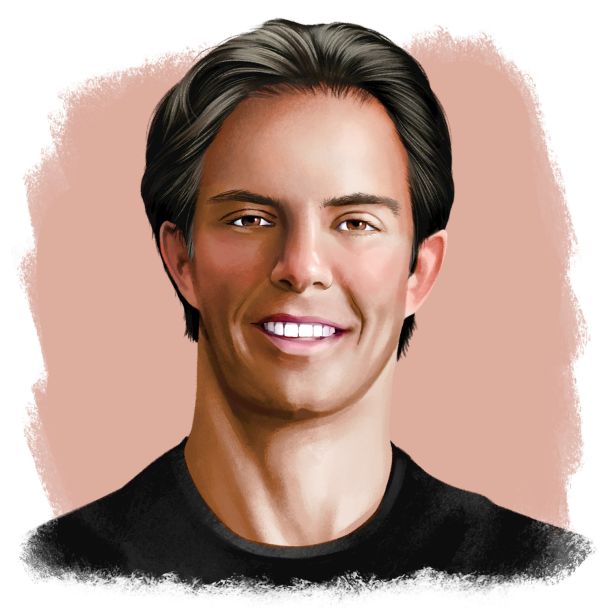
Michael Shvo
Founder, chairman and CEO at Shvo
Are you planning to buy any more major assets in gateways like Miami, San Francisco and New York in the new year?
We’re always active in the market, but highly selective in what we pursue. At Shvo, we focus on transformative, one-of-a-kind assets — properties that are architecturally significant and have the potential to elevate their surrounding neighborhoods. There will always be strong demand for high-quality, iconic properties in major cities, where top-tier assets consistently outperform the market.
Our acquisitions strategy remains consistent: We seek opportunities to create lasting value — not only for our tenants but also for the broader community. Markets like Miami, San Francisco and New York remain vibrant, offering opportunities to invest in projects that combine culture, luxury, and a long-term vision for urban development — all core to Shvo’s values and approach.
What are your plans for the Transamerica Pyramid in 2026?
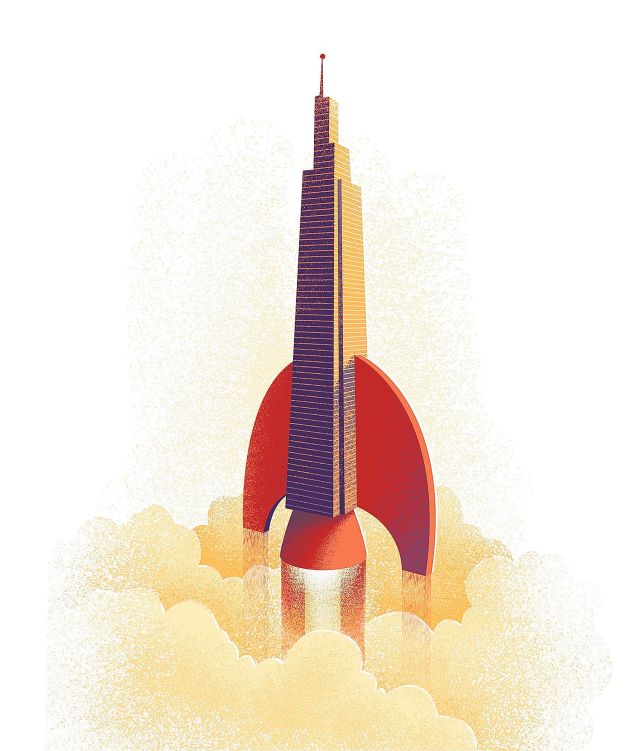
Transamerica Pyramid Center (TAPC) is more than just an office building — it’s an enduring symbol of resilience and hope for San Francisco. We’ve invested over $1 billion in the revitalization of the entire city block, creating a hub that serves as a headquarters for innovative companies and as a destination for Jackson Square and Downtown San Francisco. In 2026, we will continue building on strong leasing momentum, offering premier tenant experiences for leaders in tech, AI, finance and law.
We will also continue to deliver world-class cultural programming via Pyramid Arts. Past shows have included works by Lord Norman Foster and French artists Claude and François-Xavier Lalanne. Current exhibitions include “Past as Prologue: The Last Decade of Furniture Design By Ray and Charles Eames (1968–1978)”; a time capsule exhibition, displaying artifacts buried under the Pyramid more than 50 years ago; “Pyramid Dreams,” a collection of artwork from San Francisco schoolchildren inspired by TAPC; and 12 never before viewed works by surrealist Max Ernst in Transamerica Redwood Park. Esteemed chef Bradley Kilgore opened Ama in September, his third fine-dining concept on the property, making the area a culinary hub.
Can San Francisco’s comeback teach something to other cities?
I always remained bullish on San Francisco’s comeback throughout all the “doom loop” narratives, and the resurgence we’re seeing under Mayor Daniel Lurie demonstrates the power of vision, investment and patience. Despite past challenges, the city has responded enthusiastically to investments in high-quality buildings and publicly accessible spaces, with demand for office space skyrocketing.
Rents at TAPC have increased drastically since acquisition, making the Pyramid the second most expensive office building in the U.S. Thanks to the remastering, TAPC is projected to generate 6,500 jobs annually and contribute $2.5 billion in yearly economic output to the city.
The lesson for other cities is clear: If we want downtowns to thrive, then we need to create and invest in spaces that support businesses, encourage entrepreneurship, and foster the next generation of talent. At TAPC, we’re re-energizing Downtown San Francisco by creating a destination that supports the growth of businesses and brings new life to downtown.
Do you have plans to do more luxury-branded condo developments?
Our branded residences embody Shvo’s commitment to ultra-luxury living — fusing unique design, exceptional hospitality, and world-class art to create immersive lifestyle destinations. Partnering with Mandarin Oriental has elevated this vision, delivering turnkey residences for discerning global buyers.
While we’ve divested select properties recently to focus on office, we continuously seek opportunities to elevate properties and set new standards for luxury living.
Are there markets that you haven’t worked in that you’re looking to get into, including internationally?
Shvo focuses on investing in super-prime real estate in key gateway cities. With that in mind, we’ve been exploring select international opportunities.
What is the one local, state or federal policy that you think would help commercial real estate the most?
Fundamentally, I think government should be working to remove red tape and make it easier, not harder, for private capital to invest in high-quality urban assets. Cities thrive when developers are encouraged to create buildings that combine workplace innovation, cultural engagement and public access. Policies that streamline permitting, reduce unnecessary regulatory barriers, and support infrastructure improvements unlock value not just for real estate, but for communities and local economies.
At Shvo, we’ve seen firsthand that when private investment aligns with thoughtful public policy, it can transform neighborhoods, attract top talent, and generate sustainable economic growth.
The Stories Behind the List