A Big Retail Tenant Kept Saying No. Then AI Closed the Deal.
Prominent landlord is filling empty space with the help of artificial intelligence
By Greg Cornfield May 28, 2026 1:55 pm
reprints
It’s not a theory anymore: Artificial intelligence is getting commercial real estate deals across the finish line.
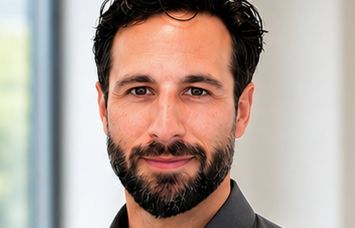
AI and data were predictably omnipresent at the major ICSC retail conference in Las Vegas last week, and a prominent West Coast-based landlord explained that his firm is using AI for leasing and investment decisions, and that large language model platforms have helped secure lease deals with tenants who previously declined.
“It starts here: ‘Dear AI, here’s my shopping center,’” Sandy Sigal, CEO of NewMark Merrill Companies, told Commercial Observer, while pantomiming typing on a keyboard. “‘Here are my current tenants, here’s what’s going on — who do you think are the best tenants for X, Y, Z?’
“It spits out its answers. Then I go to my leasing team and I say, ‘Who do you think should be the tenants here?’ They give me their list, and I say, ‘Well, you guys forgot a few.’”
The process expands from there, consulting with AI, ranking the options that will do the most for existing tenants, and crafting the strategy with the leasing team. NewMark Merrill then has AI help create a presentation to explain the benefits and expectations for leasing at one of its retail properties.
“Tenants have their own models, too, but, trust me, it’s much easier to go to a real estate guy who you’re trying to get to make a deal, who’s busy and overloaded himself, when you come to him with a prepared package,” Sigal said. “If they disagree, that’s fine, but I’ve already had success stories where big tenants said no to me without it, and said yes to me after.”
Sigal said a large fashion tenant said “no” multiple times to moving into a space in Southern California. So, earlier this year, he consulted AI.
“I typed into the system: Who should be the top tenants?” Sigal said. “It responded with a bunch of tenants, and one of them was the one that kept declining. I told AI, ‘Well, that one already said no. What do you think?’ It made some points, and it put together this whole explanation. I said, ‘OK, well, that sounds pretty good. Can you put together a quick pitch deck?’”
Sigal brought the deck to his leasing team at NewMark Merrill, which corrected some errors and sharpened the pitch. They then went back to the tenant, and closed the deal.
Then Sigal snagged another big deal in Chicago, where he was considering buying a shopping center, but he was concerned that it had soon-to-be-vacant space.
“So I asked the system,” the CEO said. “I said, ‘Tell me about the shopping center. Should we buy it?’ We have an acquisition criteria. It says ‘yes,’ but losing the national retailer costs extra foot traffic, and you can see it’s impacting this tenant, this tenant, this tenant, etc. So I said, ‘OK, what is the best tenant that I should consider?’ It gave me three tenants, and all three are interested. The easy deal for us would have been a national off-price clothing retailer it mentioned, but I asked, ‘Best for shopping center?’
“It said by a factor or two that this other discount department chain would be better than the first one. So now we’re making a deal with the department store chain AI said would be better.”
Sigal said he’s just as concerned about productivity loss as productivity gains with AI because of how it can introduce “rabbit holes,” and that a never-ending pursuit for perfection gets in the way of material progress. But he also stressed the importance of human experts verifying content produced by AI.
“You can get 70 percent of the way on almost everything,” he said. “The problem is that next 30 percent is so hard.”
Gregory Cornfield can be reached at gcornfield@commercialobserver.com.