Presented By: JLL
Speaker Spotlight: Peter Riguardi of JLL
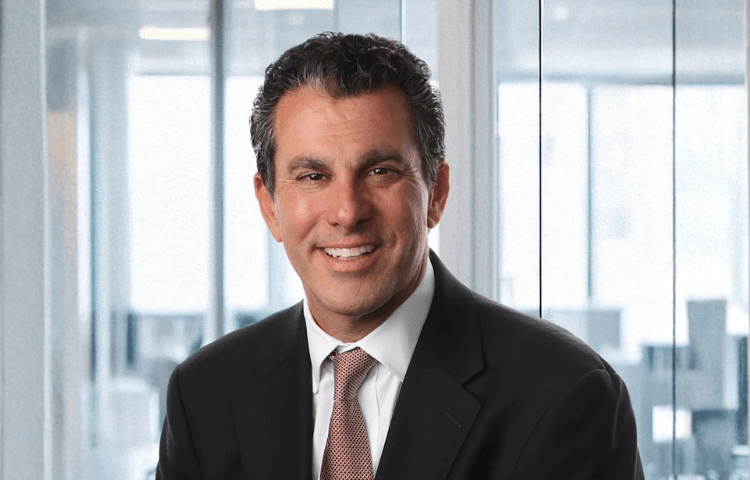
Peter Riguardi, chairman and president of JLL’s New York tri-state region, joined Commercial Observer’s Future of New York Forum to discuss the city’s commercial real estate rebound, the flight to quality in office, and how emerging industries like artificial intelligence are reshaping demand across Manhattan.
Commercial Observer: After years of market turbulence, what is your outlook for New York City real estate in 2026 and beyond? Have things stabilized? Do you see new opportunities for growth emerging?
Peter Riguardi: The New York commercial real estate market has been resilient for generations, as most recently seen through the COVID pandemic, work-from-home trends, and economic recession. Leasing volumes recovered in 2025 to their usual amounts, and I expect 2026 to be a year for roughly 35 million square feet of space to be leased.
The overriding winner in the New York commercial rebound has been the city’s best or newest office product. Post-COVID, occupiers have been clear and direct that they want their people back in the office and want them to stay there for long working days. To facilitate this, they are providing high-quality office space with great amenities and state-of-the-art engineering qualities.
As the new office stock has been completely absorbed, occupiers are now turning to landlords who have upgraded their space not only in curb appeal and lobbies, but also in infrastructure, amenities, and a commitment to be green.
In the edge markets, conversion from office space to residential space has also brought more office occupiers to middle and better-quality spaces as their former buildings are converted. This was a strong trend in 2025, but in 2026 we expect to see this trend slowing down, as the demand and prices for office space will make the conversion of office space to residential less profitable.
Clearly the winners in this market have been new buildings, renovated buildings that received smart capital investments, and occupiers who were able to partner with New York landlords for the most successful outcome of bringing their employees back to work in the office.
Which asset classes do you think are poised for growth in the coming years? Which are offering the greatest investment opportunities, and which are becoming more challenging?
I believe the New York City office sector across the board is poised for growth over the coming years, and all asset classes will create interesting opportunities for investment growth. Buildings located in traditional prime locations in New York City — i.e. the Plaza District, Rockefeller Center, the 42nd Street corridor, Midtown South, Hudson Square/Tribeca, and Lower Manhattan — are all poised for rental growth.
However, rental growth will need to be achieved through smart investment in the asset. We think buildings that are repositioned with new lobbies, ample amenity space, upgrades in building systems, quality elevator service, and a strong green approach are the buildings that will be most successful and experience the best economic growth and velocity of leasing.
New York City has been reinforcing its position as a global capital for leading talent with the entry of new industries, like AI, to the Big Apple. Are you seeing new tenant types entering or expanding in the city, and what does this mean for New York as a global innovation and business hub?
New York City is clearly North America’s only true global capital. New York City is not only home to the banking industry, but also serves as the foundation of America’s key service industries, law firms, nonprofits, and has become a growing alternative to Silicon Valey for tech.
The increase in tech and AI leasing is happening at scale and changing the office leasing landscape. We are also seeing a clustering of venture capital for AI in Manhattan. New York City, because of its depth of talent and capital, will always be able to foster growth in emerging businesses and traditional businesses of generations before. New York also has a number of new development sites on the drawing board, which will continue to create quality office space for occupiers to move into.
However, we do face challenges. The cost of living, transportation and commercial office space in New York City continues to rise. Successful navigation of these market dynamics requires collaboration between the public and private sectors to maintain the city’s economic competitiveness while addressing housing affordability, infrastructure needs, and quality of life. New York’s historical ability to balance these economic factors and adapt to changing conditions has been a key driver of its continued success as a global business hub.