The Mixed-Use District Has Evolved From Uses to Relationships
By Erin Saven November 3, 2026 7:04 am
reprints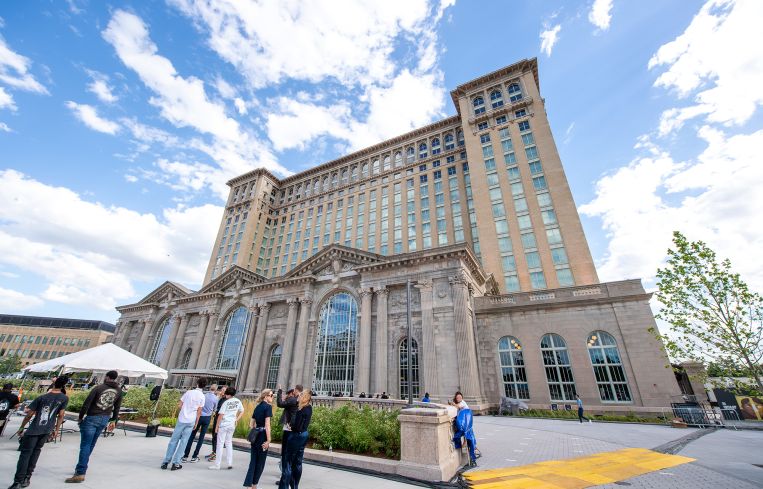
If you look across any major city’s newest development, you will likely see some version of the same formula: a combination of office, residential, retail, hospitality and public space designed to respond to market needs. This approach has worked. Mixed-use districts can diversify demand, support activity throughout the day, and make large, complex developments more viable.
But, somewhere along the way, the success of this formula in a handful of high-profile markets led it to become the status quo, with similar combinations of uses increasingly applied regardless of context. Over time, the widespread adoption of this model has made developments more interchangeable.
The opportunity for the next generation of mixed-use lies in creating places that could exist only in a particular city.

This starts by understanding what already makes a city valuable, where its strengths intersect and how real estate can amplify them. Every city has assets that are difficult to replicate elsewhere — whether that is companies and universities driving a particular industry, a deep network of manufacturers and suppliers, a growing community of entrepreneurs, or a creative sector.
The key is not simply to bring these assets together, but to understand where greater proximity between them could create new and unexpected value.
This can happen in different ways. Medtech companies may benefit from being closer to researchers, clinicians, startups and investors. Manufacturers can become more productive when designers, engineers and educational institutions are closely connected. Creative industries can gain momentum when artists, producers, venues, institutions and audiences have more opportunities to interact.
In each case, the goal is to build on existing local strengths rather than importing a universal blueprint. This requires looking beyond the mix of uses to consider how a district’s physical environment, programming and shared spaces can support the connections that matter most.
This shifts the role of the district from a collection of uses to a framework for relationships that can deepen over time.
Michigan Central, Ford’s 30-acre technology and cultural hub in Detroit’s Corktown neighborhood, offers an early illustration of what this can look like. Built around the restored Michigan Central Station, the district leverages Detroit’s expertise in mobility, manufacturing, engineering and making. While Ford provided the initial investment and anchor, the vision was never to create another corporate campus but to bring together people and organizations exploring mobility in all of its forms — from vehicles to transportation systems to accessibility — to generate new ideas and solutions that no single organization could advance on its own.
Today, Michigan Central brings together Ford, Google, Newlab, Henry Ford Health, Cummins and more than 150 startups alongside the University of Michigan and Wayne State. The district extends these connections into the broader Detroit community through initiatives like technology education programs, while Newlab gives local startups access to workspace, testing infrastructure and industry partners.
What distinguishes Michigan Central from other mixed-use districts is how it supports organizations within it beyond bringing them together by providing the physical infrastructure, shared resources, programming and real-world test environments that allow key players to move from ideas to experimentation and, ultimately, implementation. By building on Detroit’s existing capabilities and creating conditions for these organizations to work more closely together, the district demonstrates how real estate can strengthen the relationships within an existing ecosystem and help new products and solutions emerge.
Below are a few key considerations developers can keep in mind.
Benchmarks remain valuable for understanding what has worked elsewhere, but they should not determine what a district becomes. The first step should be a diagnosis of the local ecosystem: What industries, institutions, talent, cultural assets and infrastructure already give this place an advantage? In Detroit, that meant recognizing the city’s existing strengths in mobility, manufacturing, engineering and making before determining what the district should become.
The question also is not only which uses belong in a district, but which people and organizations could benefit from being closer to one another. That thinking extends beyond the program itself to the spaces that connect uses, the shared infrastructure that supports them, and the operating partners that bring the ecosystem to life.
And foot traffic, occupancy and utilization remain important baseline metrics, but they do not tell the full story of whether a district is creating lasting value. A more ambitious district should also ask what is happening because these people and organizations are closer together. For Ford, the relevant outcomes might include new partnerships between companies and startups or ideas moving from research into real-world testing.
While these outcomes are challenging to model on day one, they are often the clearest evidence that a district is doing something a collection of buildings and uses could not do independently. A place built on meaningful relationships gives tenants stronger reasons to stay and gives people reasons to return, creating value that extends far beyond their leased square footage.
Over time, those recurring connections can make the district harder to replicate and more valuable to the organizations who use it.
Erin Saven is the director of the Real Estate Design Strategy practice at architecture firm Gensler.