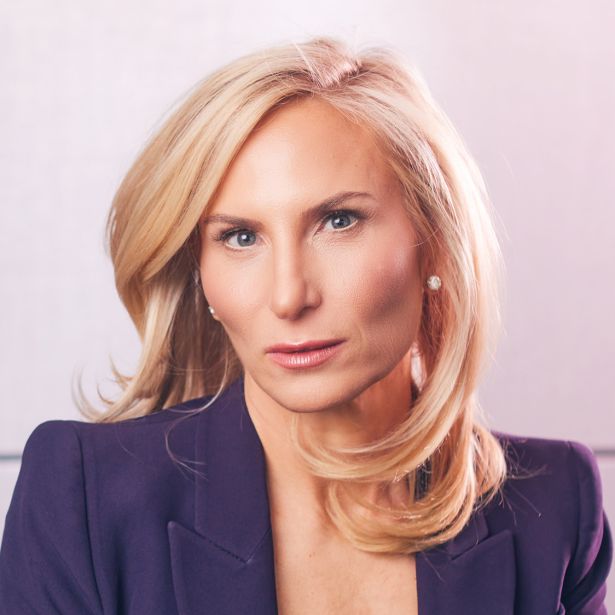
Lauren Hochfelder
Head of Global Real Assets at Morgan Stanley Investment Management
Amid numerous events that have redefined the term “market volatility” in the past year — Liberation Day and a war with Iran chief among them — Morgan Stanley’s Lauren Hochfelder has never wavered in her belief that now is the time to buy into commercial real estate. To this end, Hochfelder and Morgan Stanley invested $6 billion into global CRE in 2025.
“As a general matter, we feel like this is a very attractive entry point into real estate,” Hochfelder said. “Values are down 20 to 25 percent. We think the world is setting up very well for a real estate recovery, particularly due to lack of new construction.”
A 25-year veteran at Morgan Stanley, Hochfelder is hardly intimidated by the dysfunctional news cycle: She oversees a commercial real estate portfolio of $55 billion.
Then there is Hochfelder’s laser-focused commitment to senior housing. She aims to use the enormous Morgan Stanley platform to ride the longevity and demographic wave presently cresting as tens of millions of baby boomers begin to retire, a phenomenon expected to create lucrative opportunities across CRE and wealth management in the years to come.
She noted that “people don’t tend to move into senior housing at 70 — they move at 80,” and that it took the pandemic to bring about “a significant dislocation” in the senior housing sector.
“Aging demographics are a critical theme for us,” she said. “You have significant growth in the 80-year-old-plus population. That age cohort controls the majority of the wealth in this country, so there’s a lot of demand for health care-oriented real estate, in particular senior housing.”
Another high-conviction space for Hochfelder is industrial. She believes the world is in the early innings of a global supply chain realignment, one impacted by the increased frequency of event-driven supply shocks.
“People talk about Liberation Day as when the supply chain started to shift, but we focused on this long before — we think it dates back to COVID,” she said. “It’s created incremental demand for industrial, and created winners and losers.”
The Stories Behind the List