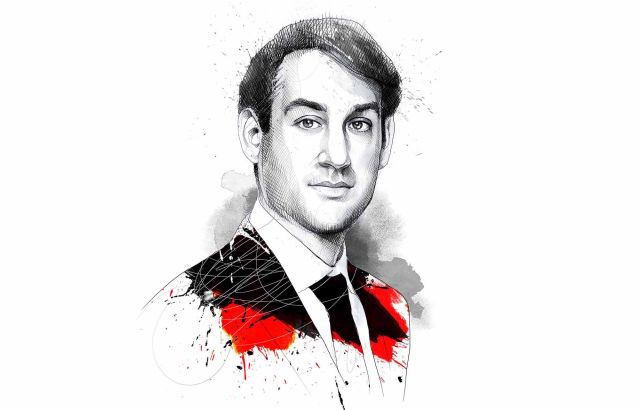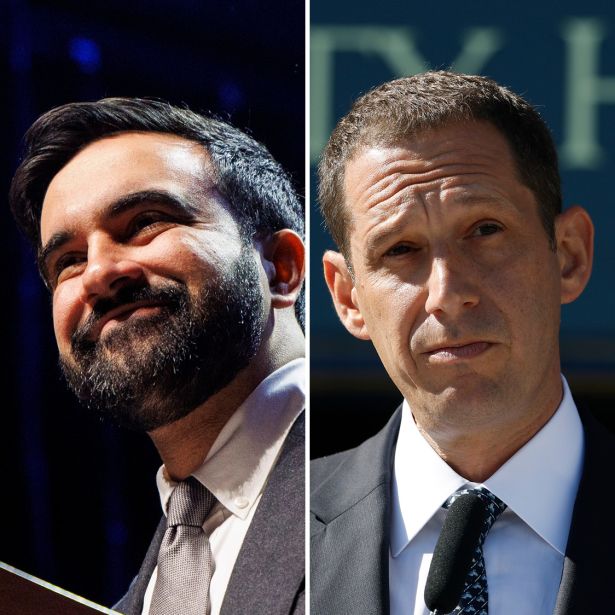
Mayor Zohran Mamdani (left) and Mayor Daniel Lurie.
Honorable Mention: Zohran Mamdani and Daniel Lurie
Mayor of New York City; mayor of San Francisco
Zohran Mamdani and Daniel Lurie each took the helms of their respective U.S. gateway cities in January and wasted no time in throwing their civic weight around.
In the case of Mamdani, that meant stacking New York’s Rent Guidelines Board to make good on a campaign promise to freeze rents for the city’s 1 million stabilized units. It also meant pursuing a number of zonings and rezonings to preserve and create fresh housing in a Gotham starved for the stuff.
On the housing front, too, the famously left-wing Mamdani got at least an initial endorsement from notable right-winger Donald Trump to help fund the creation of thousands of apartments over the Sunnyside railyards in Queens, the borough where Trump was born and where Mamdani served as a state Assembly rep.
Mamdani has also tried to hike both income and property taxes (including on pricier second homes) to pay for other promises such as free buses and to pay down a multimillion-dollar budget deficit he inherited from his predecessor. For the taxes, Mamdani will need the support of state lawmakers, and so far he hasn’t gotten that definitively. But the stakes involved in the taxes and rent kerfuffles underscore the millenial mayor’s potential to affect commercial real estate for good or bad.
Lurie has exerted similar influence in San Francisco. Though, given that he’s an heir to the Levi’s apparel empire and that San Francisco was in such worse shape than New York coming out of COVID-19, the positive effects of Lurie’s leadership are being felt more acutely.
In short, he’s turned around San Fran’s general business fortunes both literally and vibe-wise. Crime is down, and so is office vacancy. A boomlet in AI firms in particular is driving renewed demand not only for workspaces but also for the city’s notoriously expensive housing — which, in turn, means more property taxes to continue to clean up what had become a kind of national punching bag for post-pandemic dereliction.
Lurie, too, in the first couple of months of his administration personally raised $40 million to launch a philanthropic arm of the city’s government, the Wall Street Journal reported. And, like Mamdani, the mayor has sought taxation changes — though, in Lurie’s case, that involves cutting transfer taxes on transactions involving housing development.
The Stories Behind the List